(In)tangible
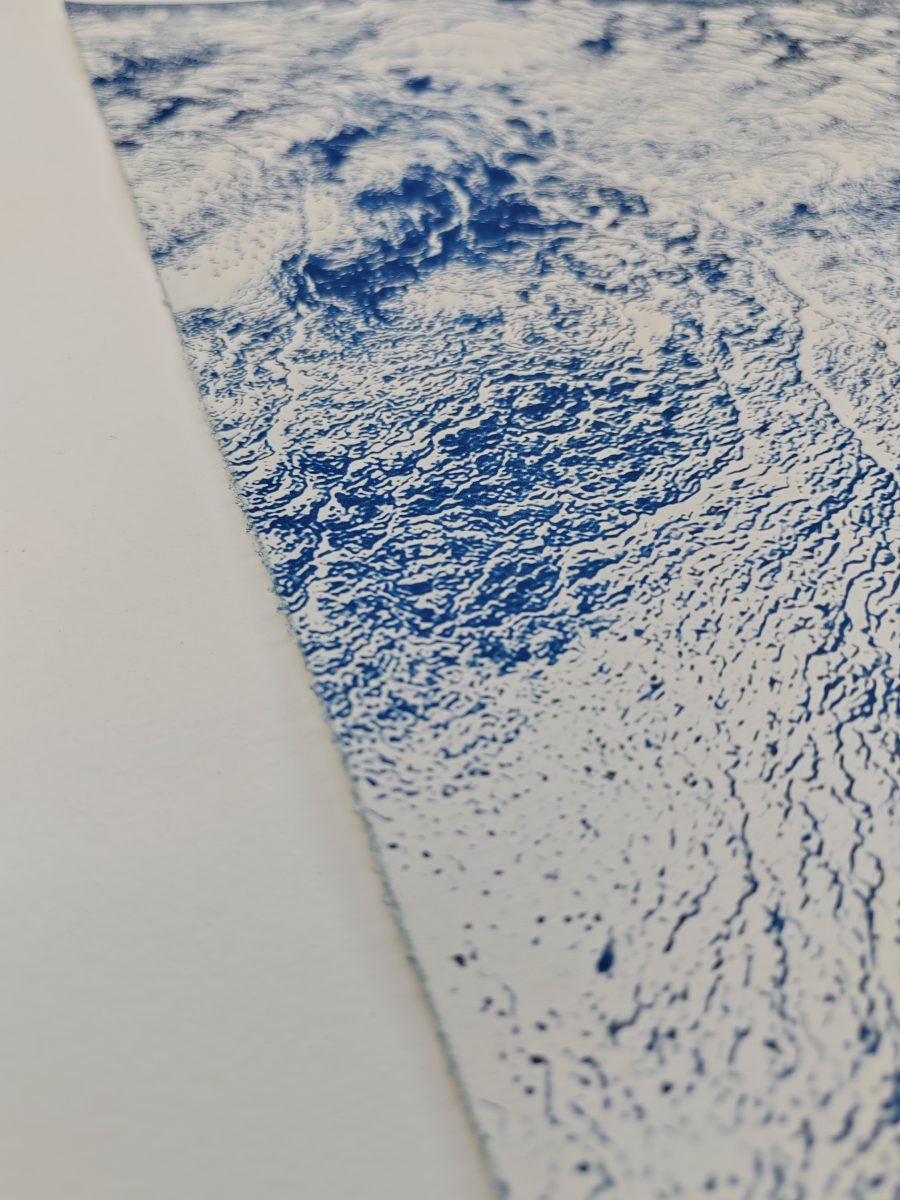
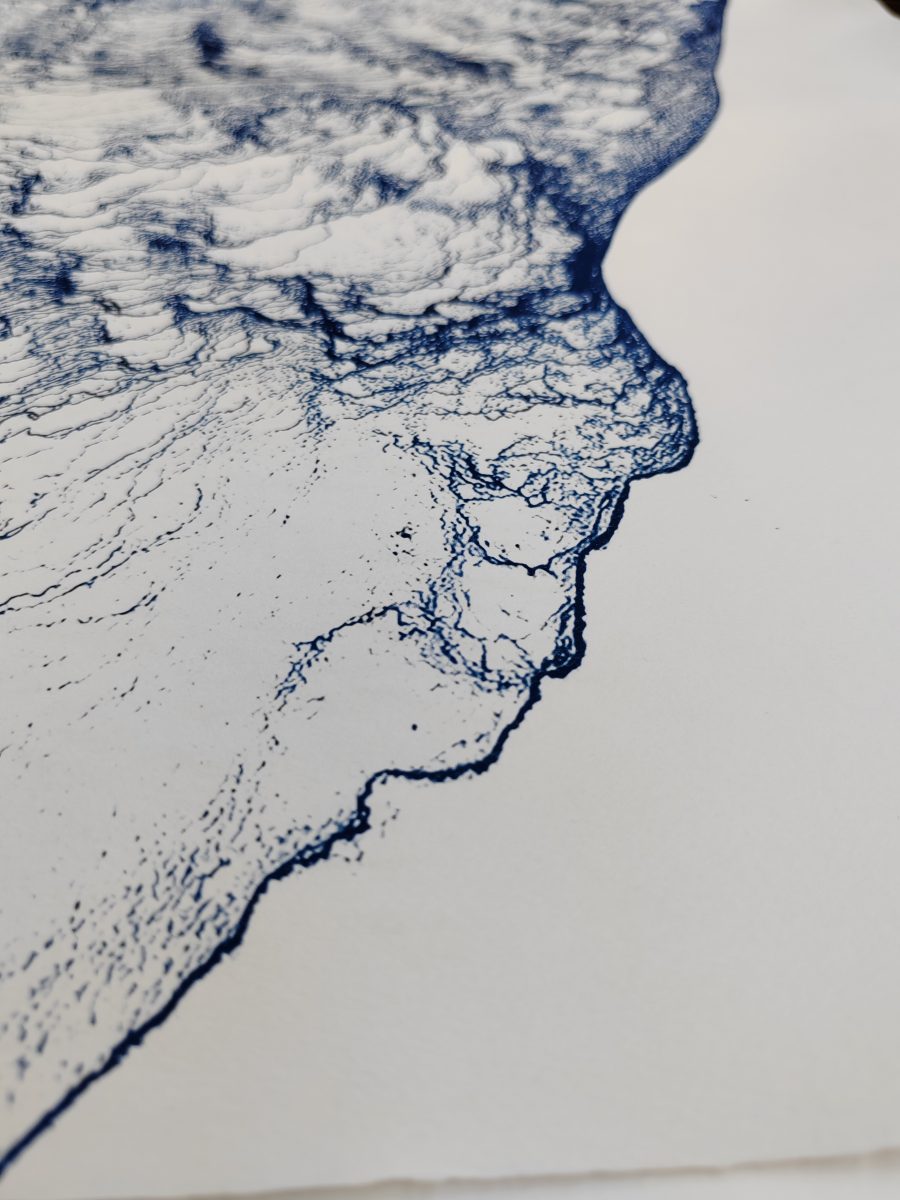
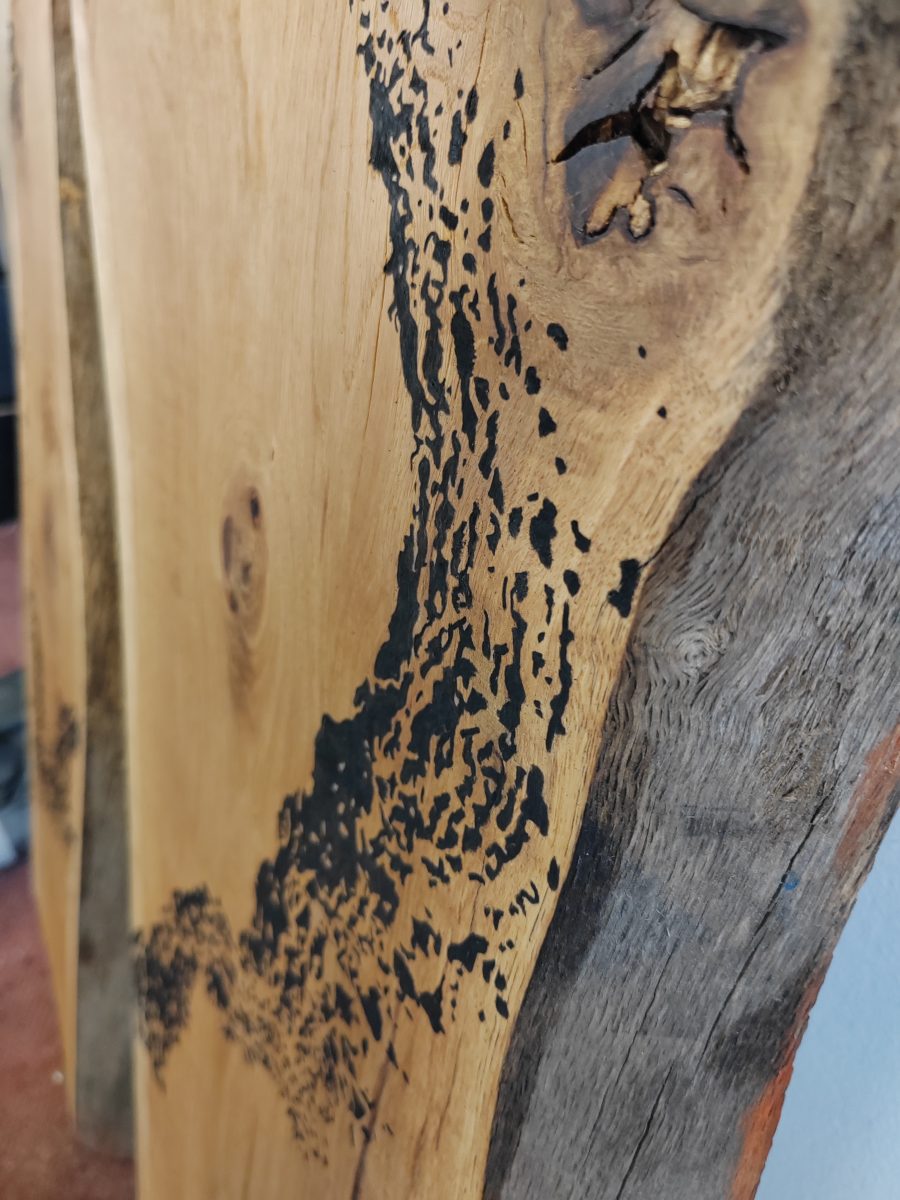
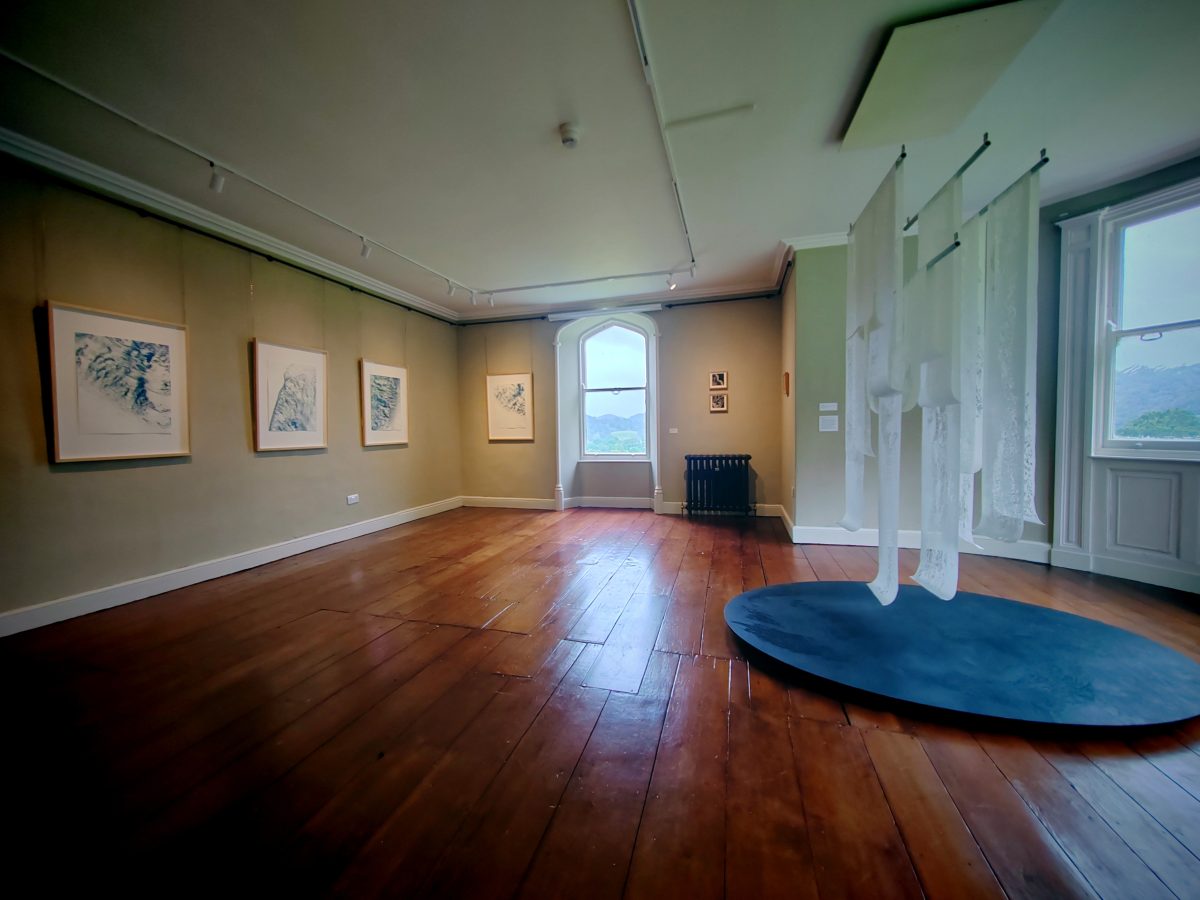
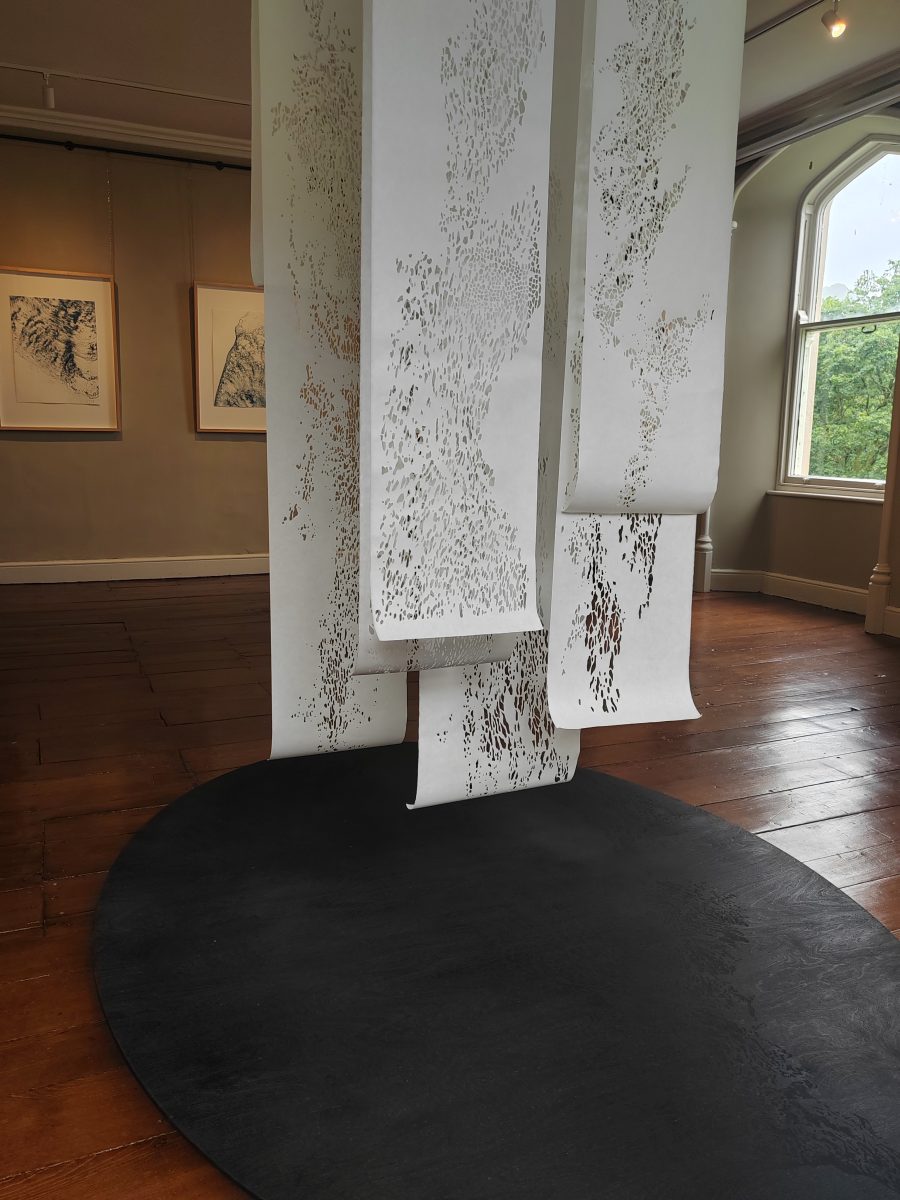
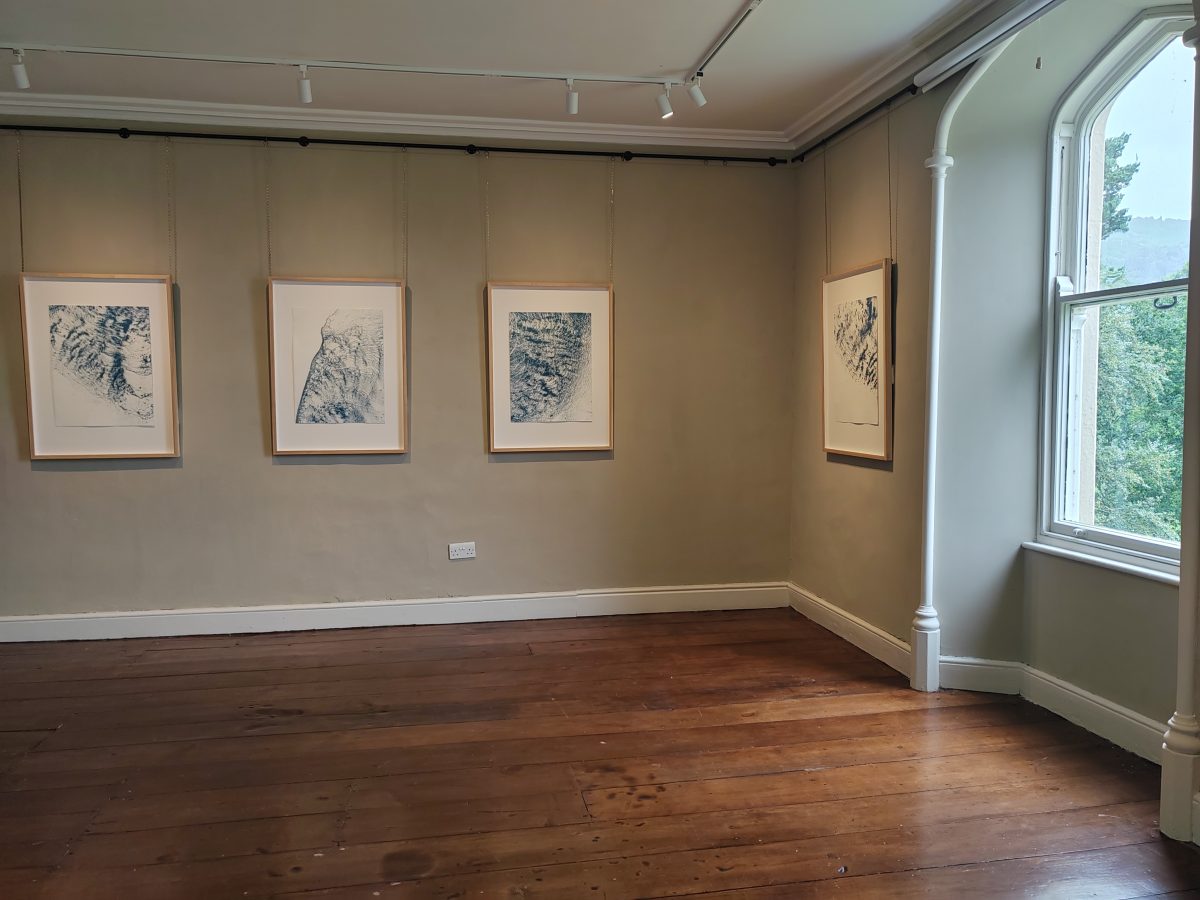
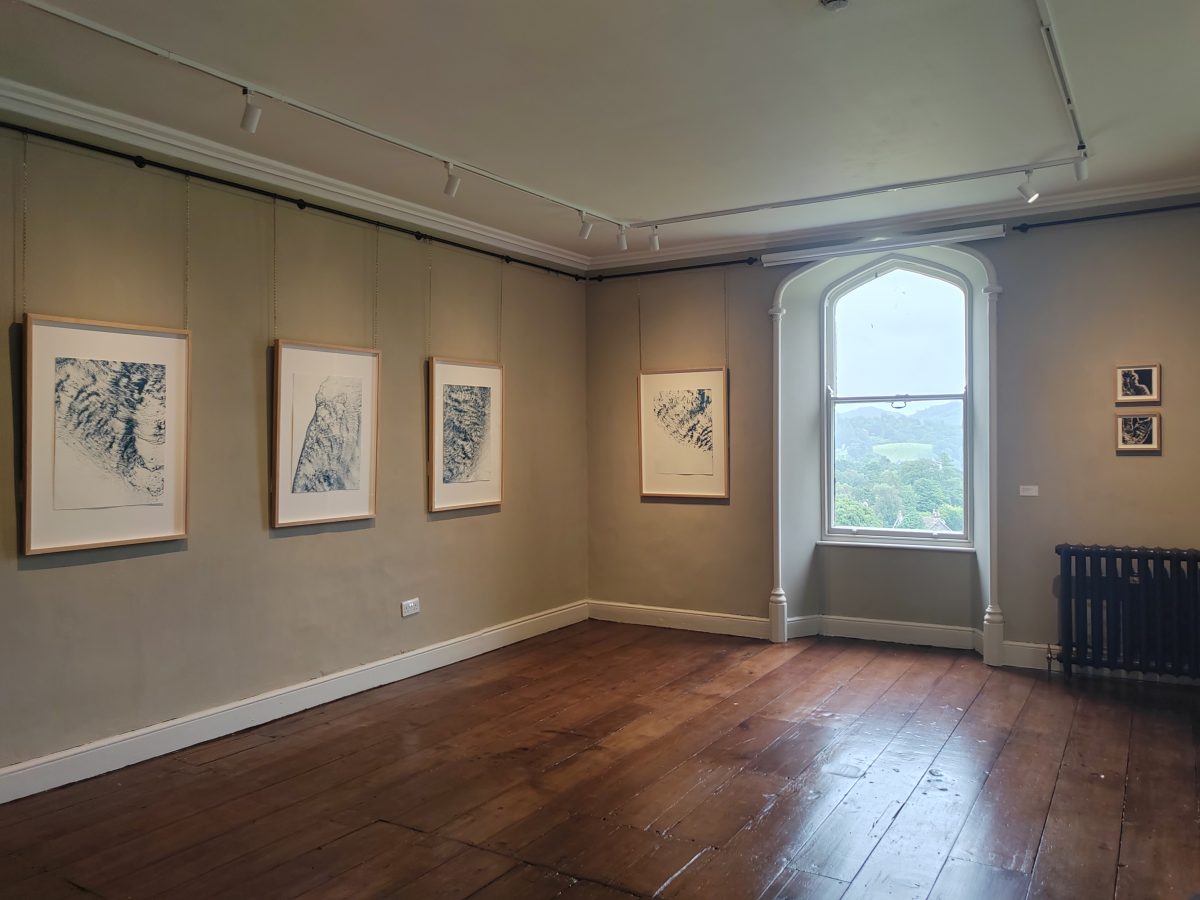
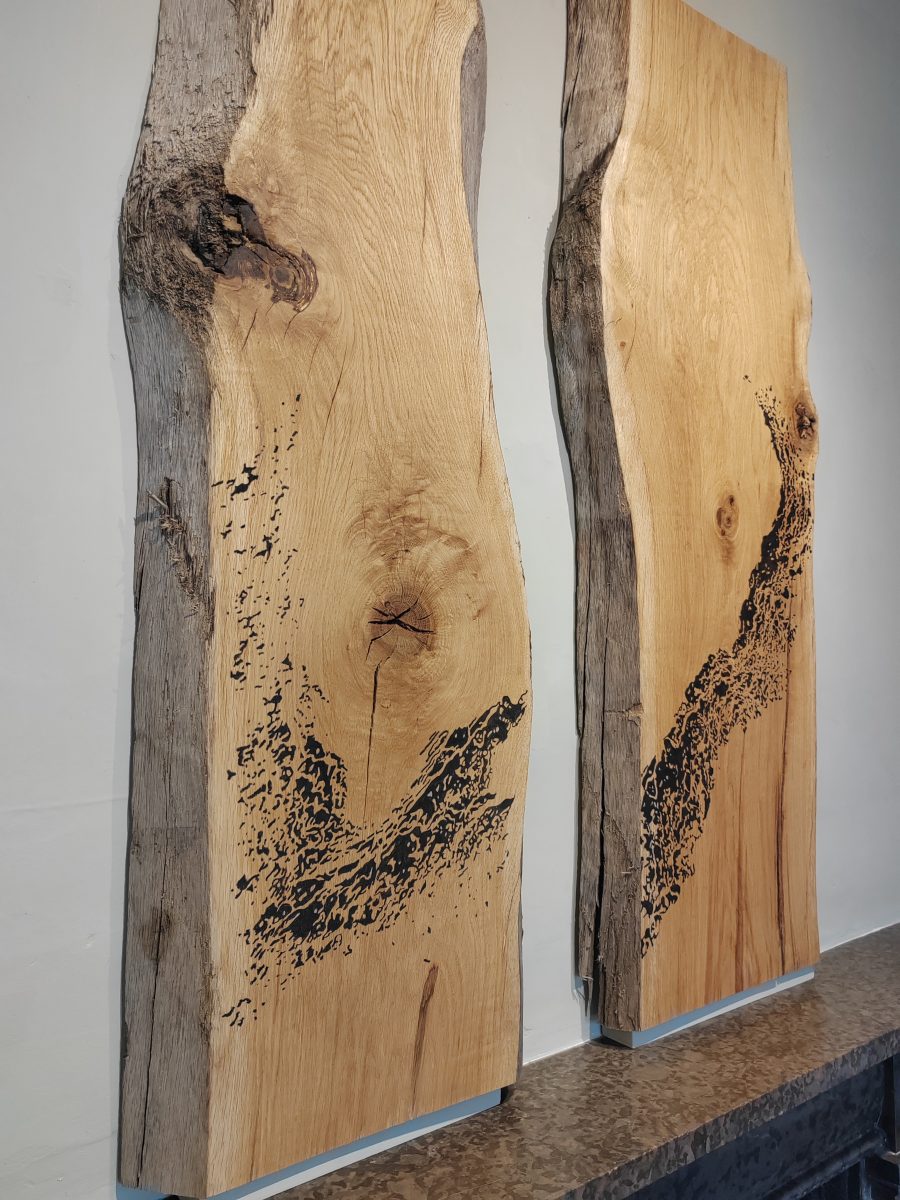
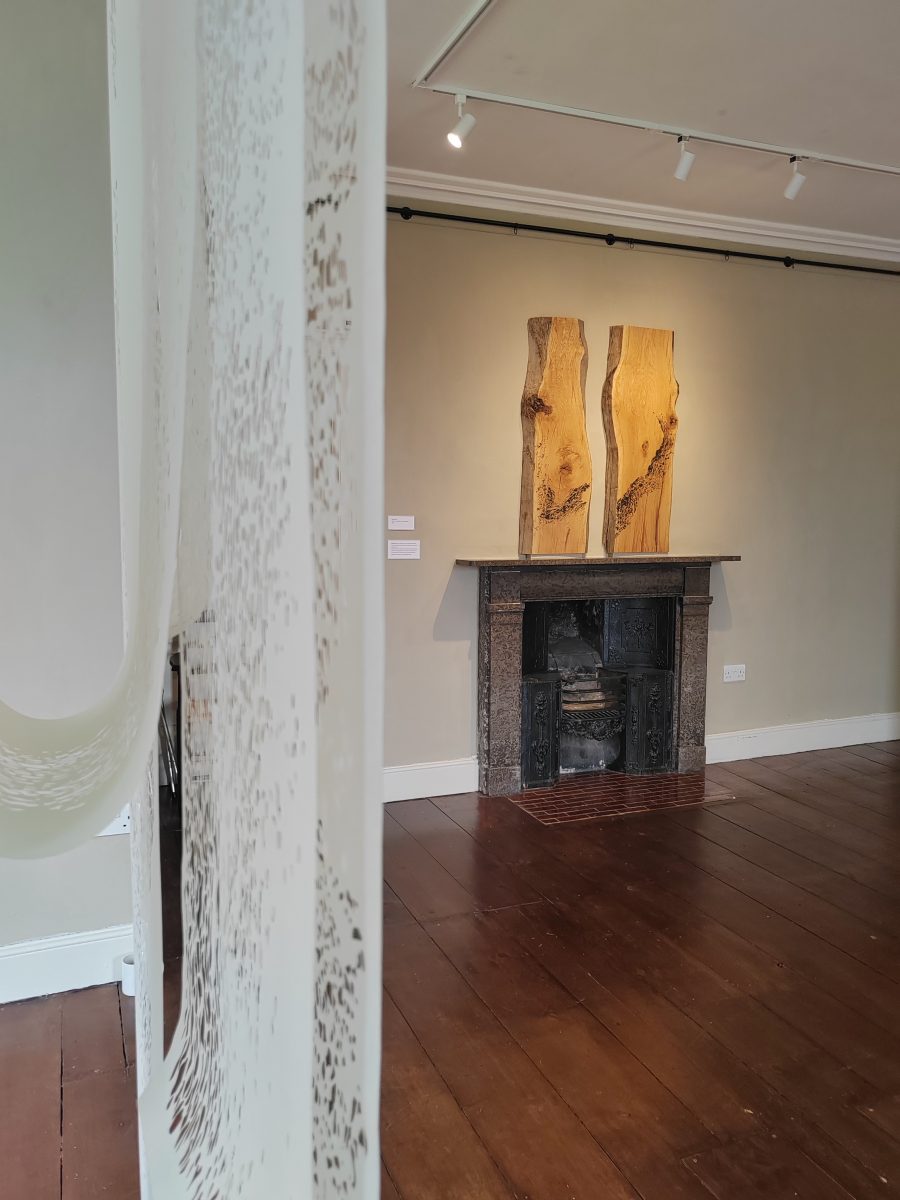
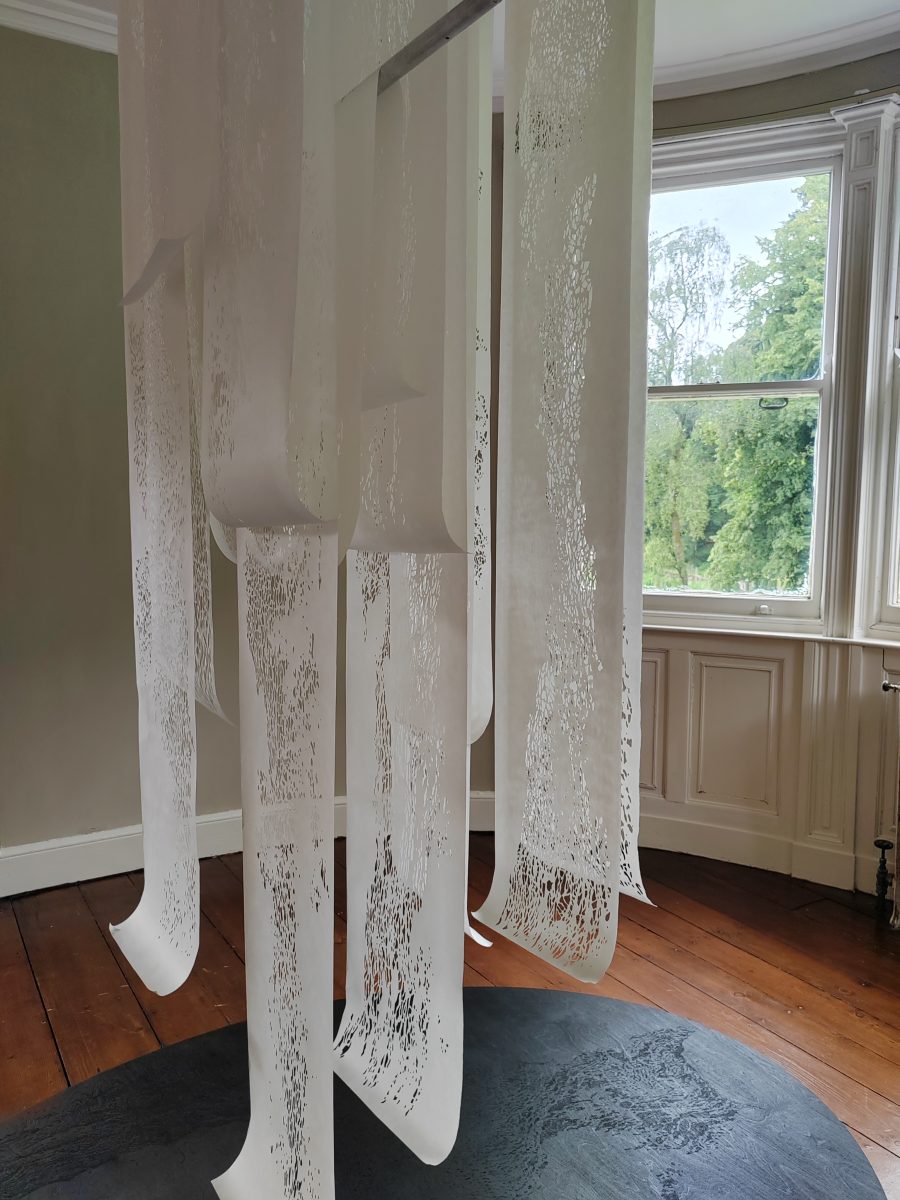
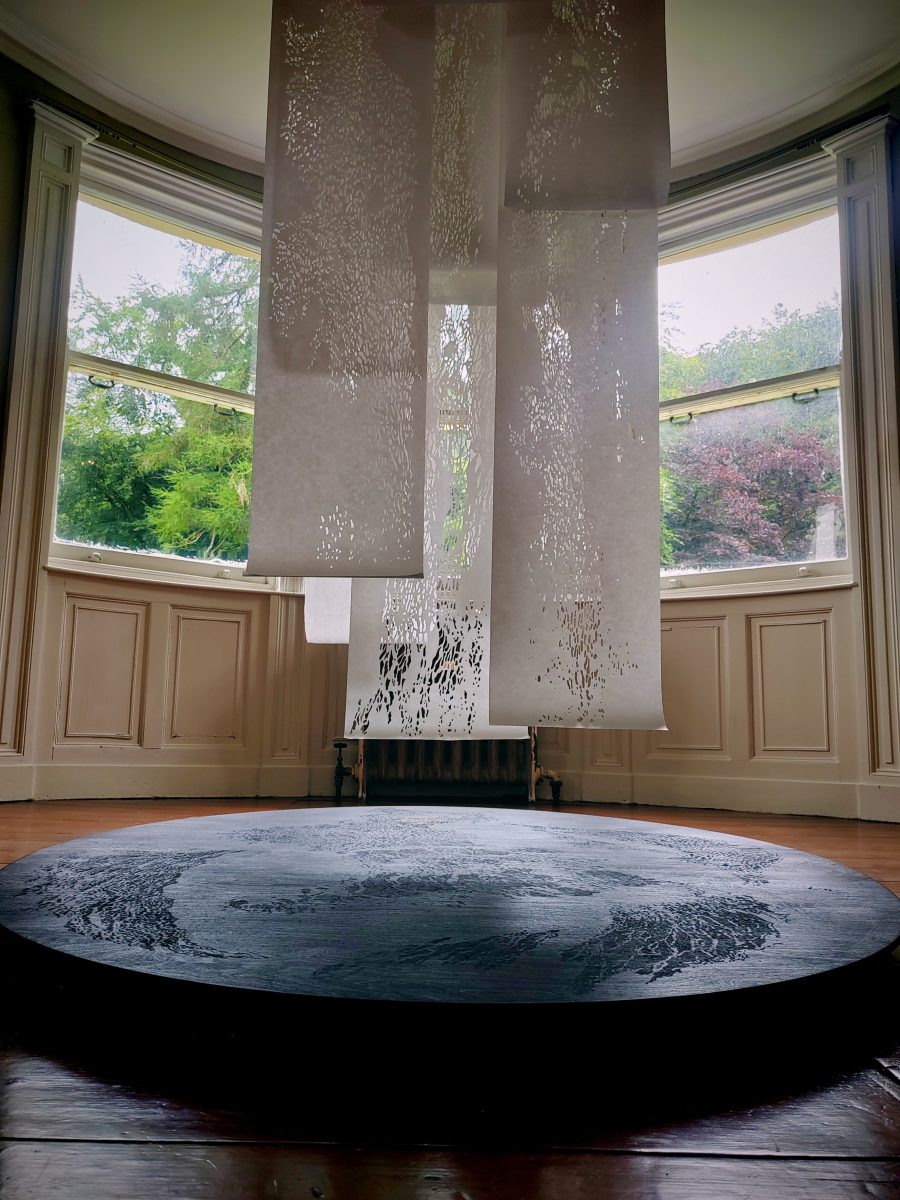
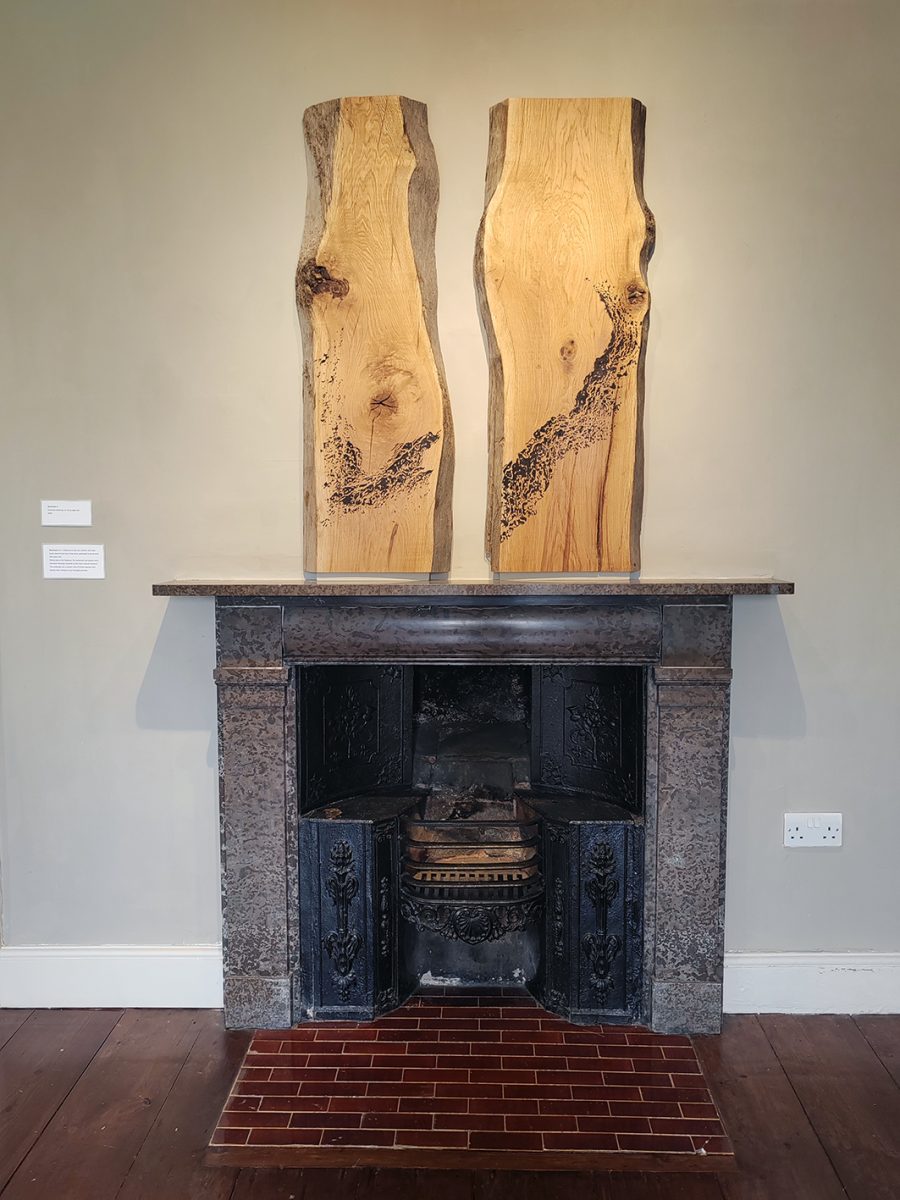
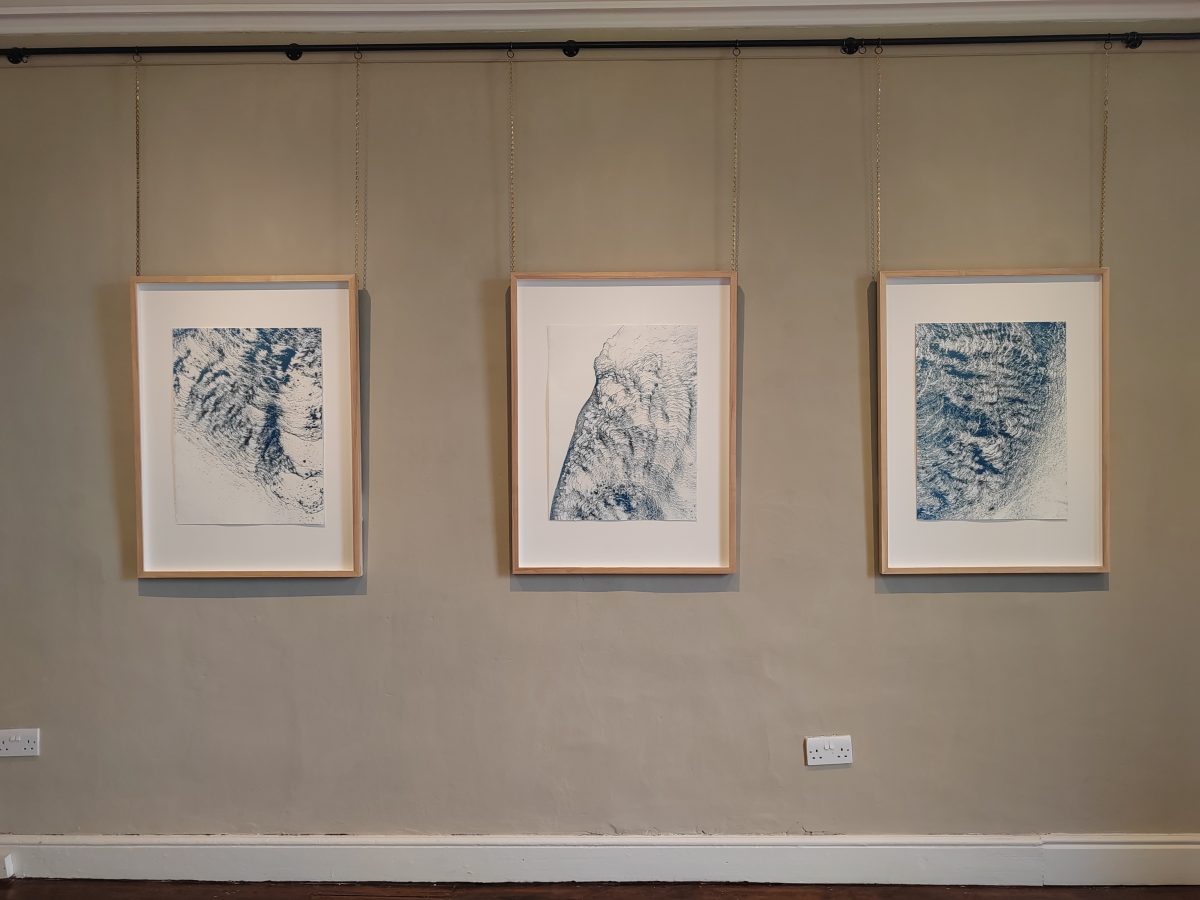
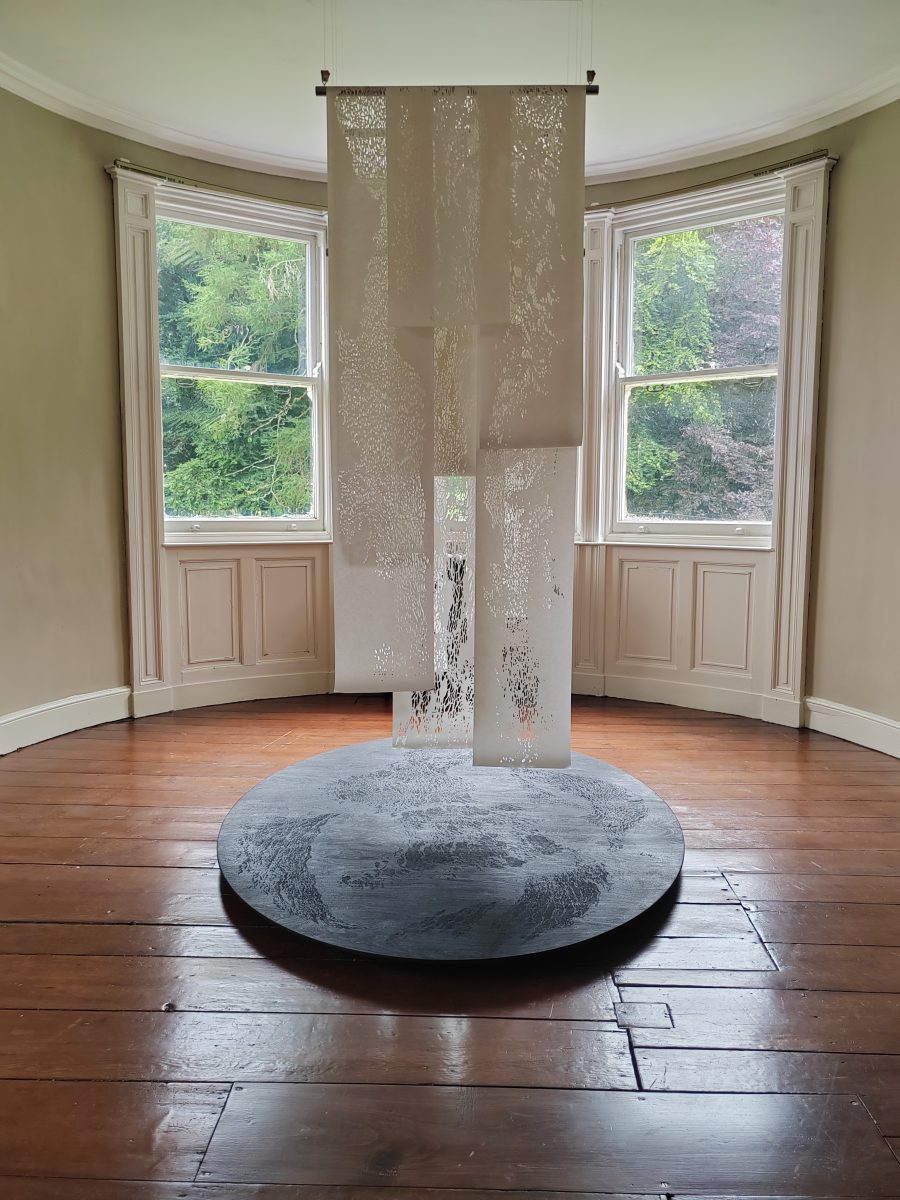
(In)tangible explores and celebrates our everyday unseen micro landscapes. Specifically, the works are a provocation, inviting you to consider collaboration and care between species and to think beyond our human timescales to see the rhythms and energy connecting all living organisms. Using spring water, lichens and fungi as focus points, new works combine drawing, print and intricate hand-cut paper to encourage you to look more closely and appreciate the unique symbiotic organisms bearing witness to our changing world and acting as essential monitors of climate change.
In 2023 a Kew Gardens report ‘State of the World’s Plants and Fungi’ that ‘expanding our knowledge of fungi is the next frontier of biodiversity science. Mainly because of their covert lifestyles, these enigmatic organisms have long been overlooked by researchers.’
In 2024 participation on an international artist residency at the Kilpisjärvi Biological Station in Finland in 2024 enabled a creative response to the importance of expanding understanding through long term preservation and monitoring.
The following summer I was granted a short residency at Allan Bank, a National Trust property in Grasmere, Lake District. Famous for its rich, ancient woodland micro-habitats hugely diverse and rare lichen communities have thrived, providing an opportunity to observe and create new artworks to be shown within Allan Bank in July 2026.
Lichens are extraordinary, multi-species populations in which a fungus (the mycobiont) interacts with an alga, or a cyanobacteria (blue-green algae), or sometimes both. The fungus provides “shelter”, the alga/ cyanobacteria (the photobiont) make sugars (food). They are partners living together in a flourishing and site-specific community founded on collaboration and care.
Lichens are natures pioneers, occupying six percent of the earth, essential bioindicators, ecosystem guardians and discrete non-human storytellers of deep time. They colonise bare rock and start the process of soil formation. They grow on disturbed soil, slowing erosion allowing plants to grow. They fix nitrogen and sequester huge amounts of atmospheric carbon. They are master chemists, producing over 1,000 chemical compounds. They provide shelter for other species ranging from microscopic animals to birds and squirrels who use them as nesting material.
They are both ancient and current and are found almost everywhere.
National Trust access video available to view here